History
Discover the History of Jardines de Alfabia.
The history of the house and gardens is already documented from the time of the Arab domination of Mallorca, which began in 902 and ended violently over three centuries later, with the taking of Madina Mayurqa in 1229 by the troops of Jaume I the Conqueror. Part of the Islamic legacy has remained intact even to this day, such as the 12th-century coffered ceiling.
The houses at Alfabia, of Gothic typology with a distinctly rural and fortified character, were built around an enclosed courtyard, and a tower was added in the 16th century. The major 18th-century renovation added the Baroque elements that most define its current configuration. This renovation significantly expanded the original houses, giving them a new layout and decoration, while keeping the concept of a rural house. The current façade dates from 1760. In the second half of the 19th century, a new and significant intervention modified parts of the previous reforms. You can see the timeline by scrolling down. You’ll find, among other curiosities, when Jardines de Alfabia opened its doors to the first tourists or when the famous Sóller Train station was inaugurated.
Queen Isabel II of Spain, also known as the “Castiza Queen” or the one of “Sad Destinies,” visited Alfabia in 1860. Her chronicler, Antonio Flores, in his book Chronicle of the journey of Their Majesties and Royal Highnesses to the Balearic Islands and Aragon, wrote about the estate:
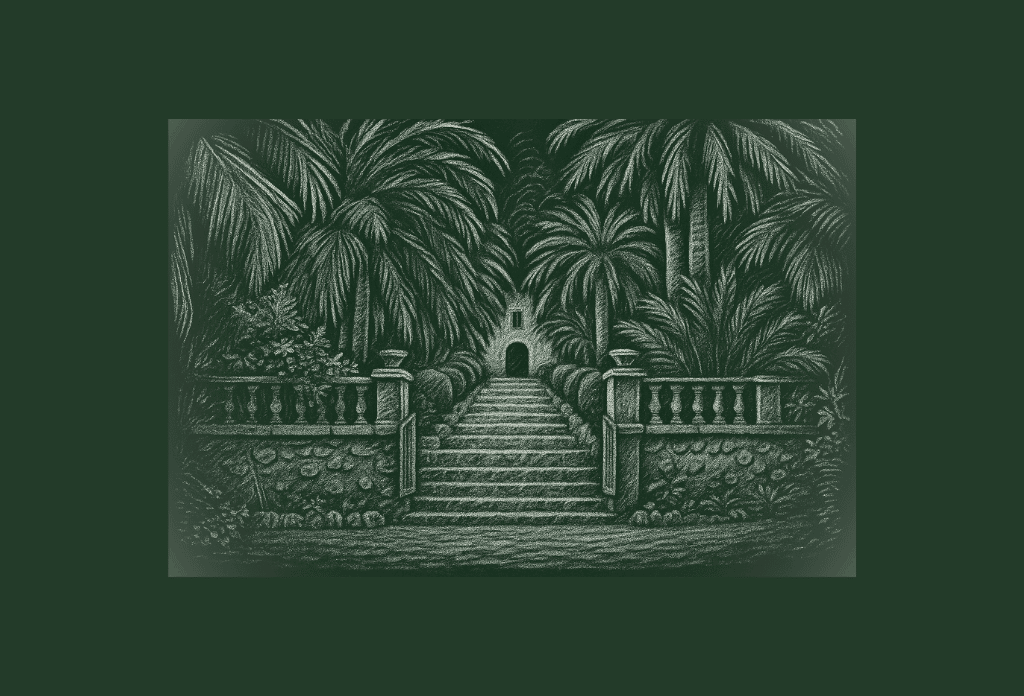
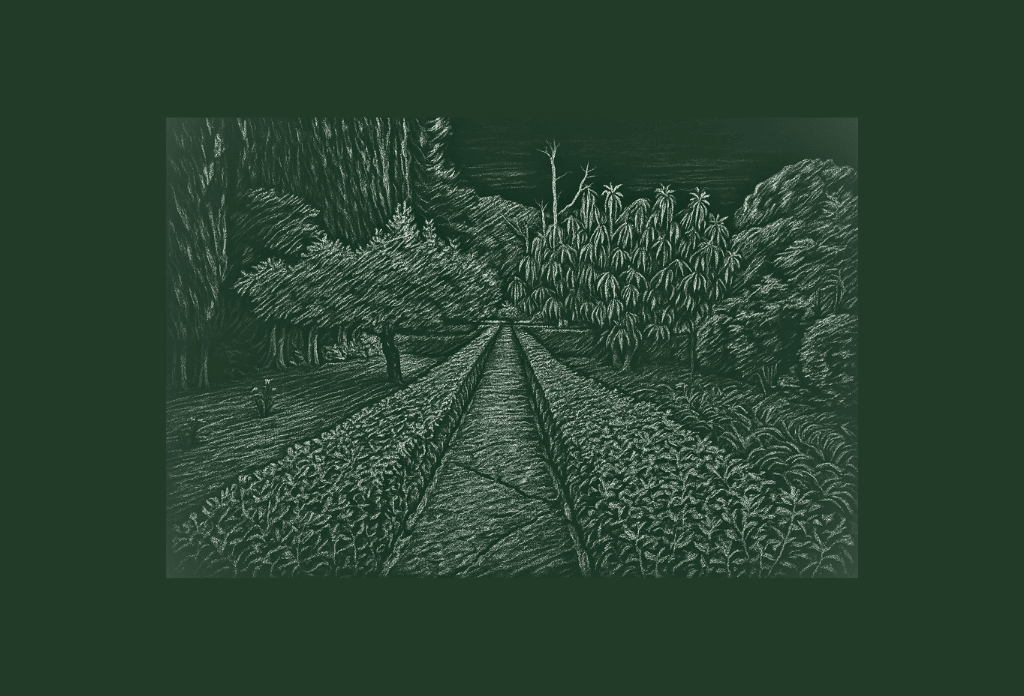
“The entrance to the estate of Alfabia is sumptuous, but the exit on the opposite side is a marvel. Entering the house, which is of regular dimensions, crossing its main rooms, which are long and connected, and stepping out onto the gallery that surrounds the garden, is to be left absorbed and suspended before the most varied and beautiful panorama that human imagination can dream of. Even though the picturesque Alfabia mountain range announces itself before reaching the estate, it is still surprising that behind that building hides such a beautiful and whimsical nature. It seems that nature and art are works of the same hand. One does not know where the garden ends and the mountain begins, the one and the other seem to be the same.”
Chronology of Our History
902 / 1229
House and Gardens already documented in the Muslim Era
1229
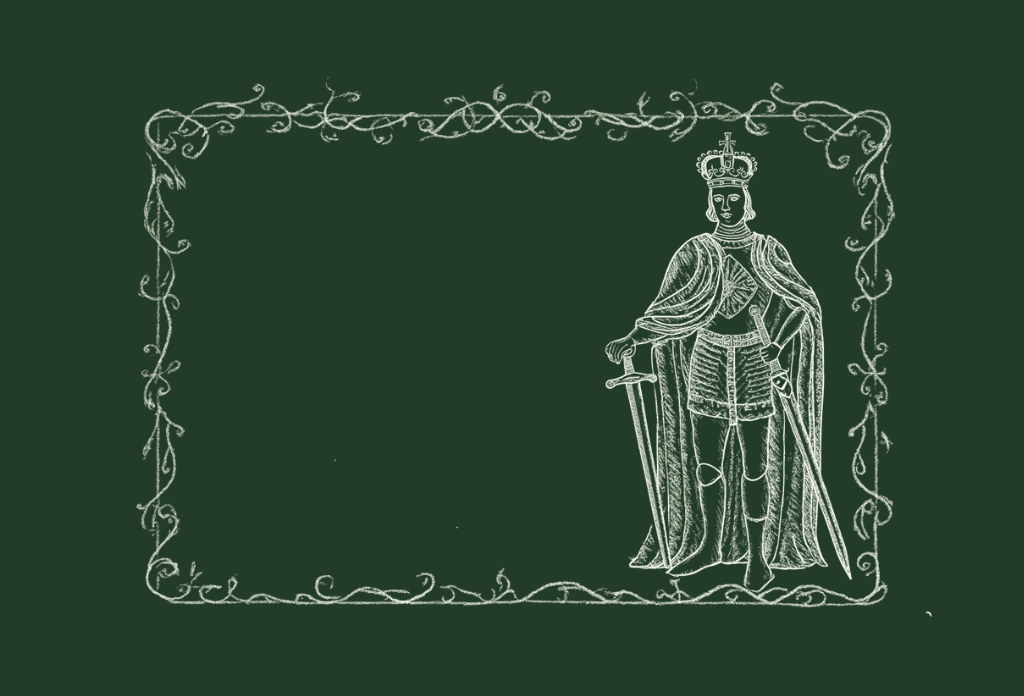
Jaume I The Conqueror conquers Madina Mayurqa
1246
Book of the Franqueses

S. XIII-XIV
Construction of the coffered ceiling

1490 / 1500
Gothic chair of Alfabia

1533
Renovations in the oil mill
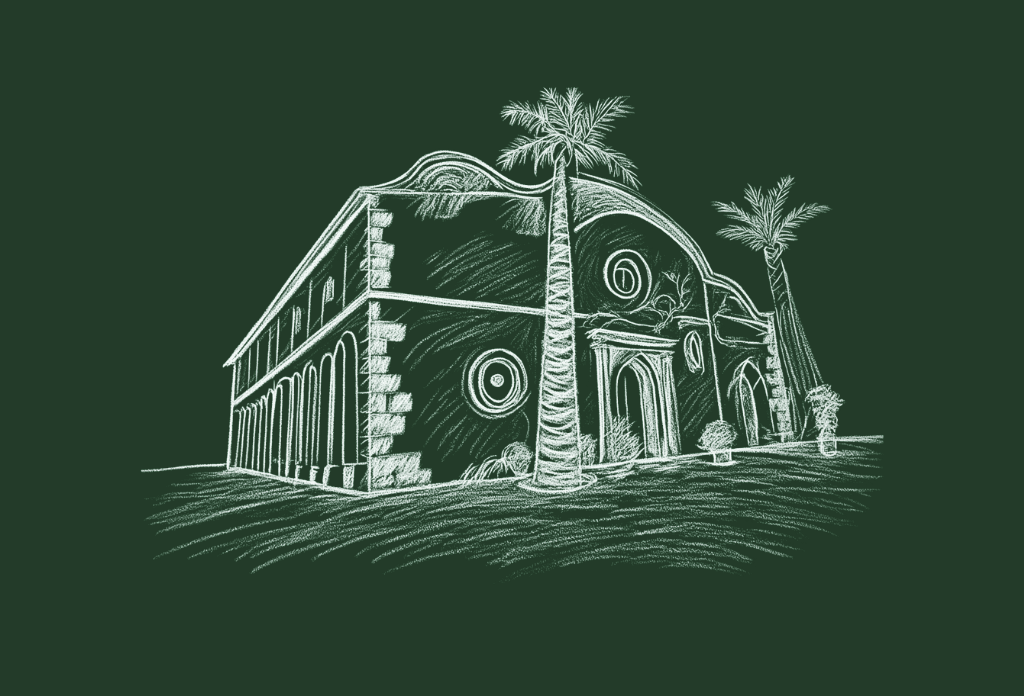
1760
Design of the current façade
1860
“Jardinet de la Reina”

1860
Visit of Isabel II of Spain, “the Castiza Queen”
1954
Declared National Monument
1960s
Opening to tourist visits

1985
Restoration of the Mozarabic coffered ceiling
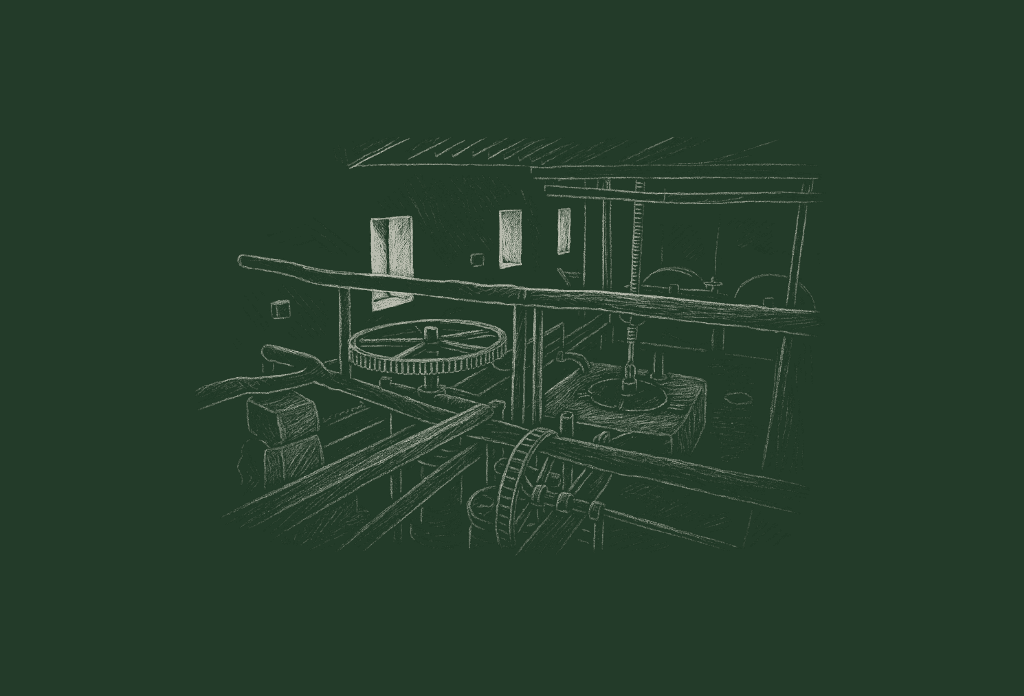
1995
Restoration of the oil mill
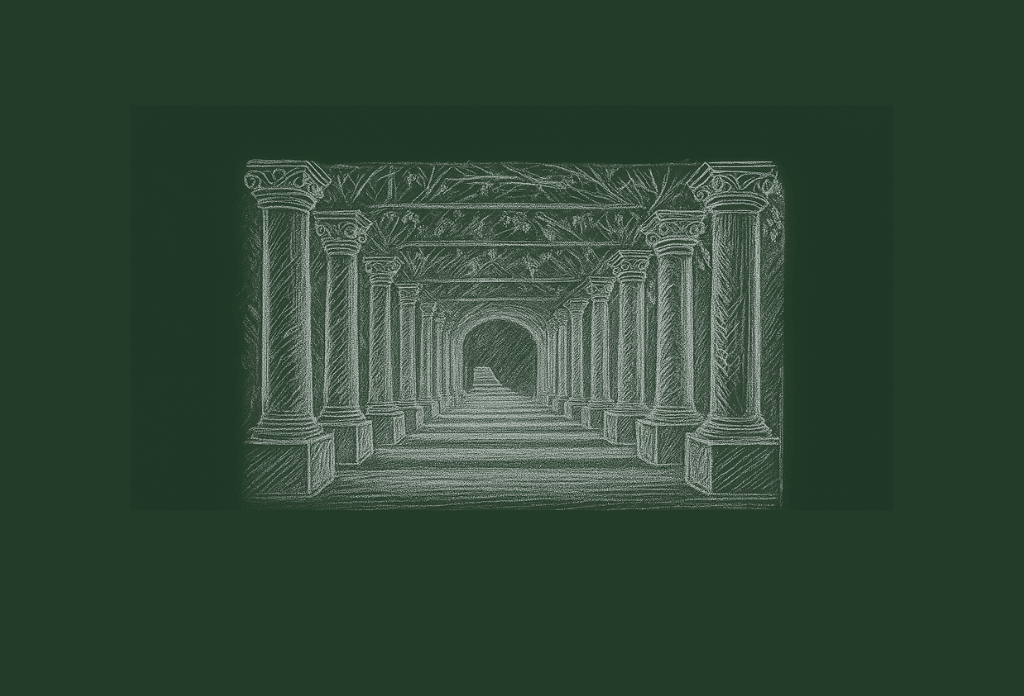
2003
Declared Site of Cultural Interest
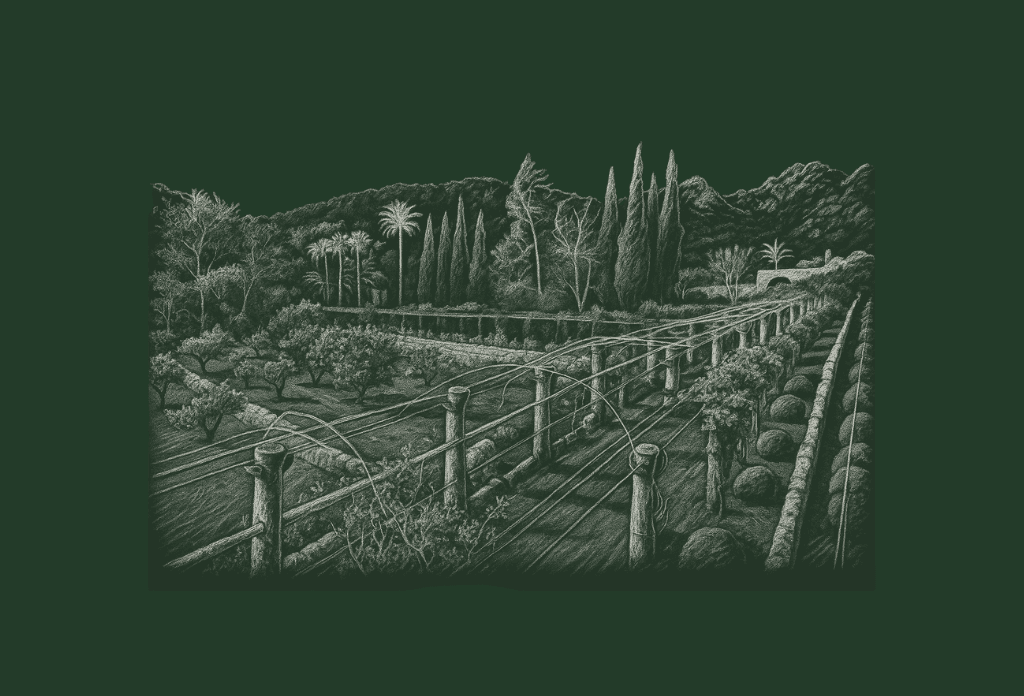
2007
Reconstruction of the orchard tower

2011
Serra de Tramuntana UNESCO World Heritage Site

2012
Inauguration of the official Sóller Train stop
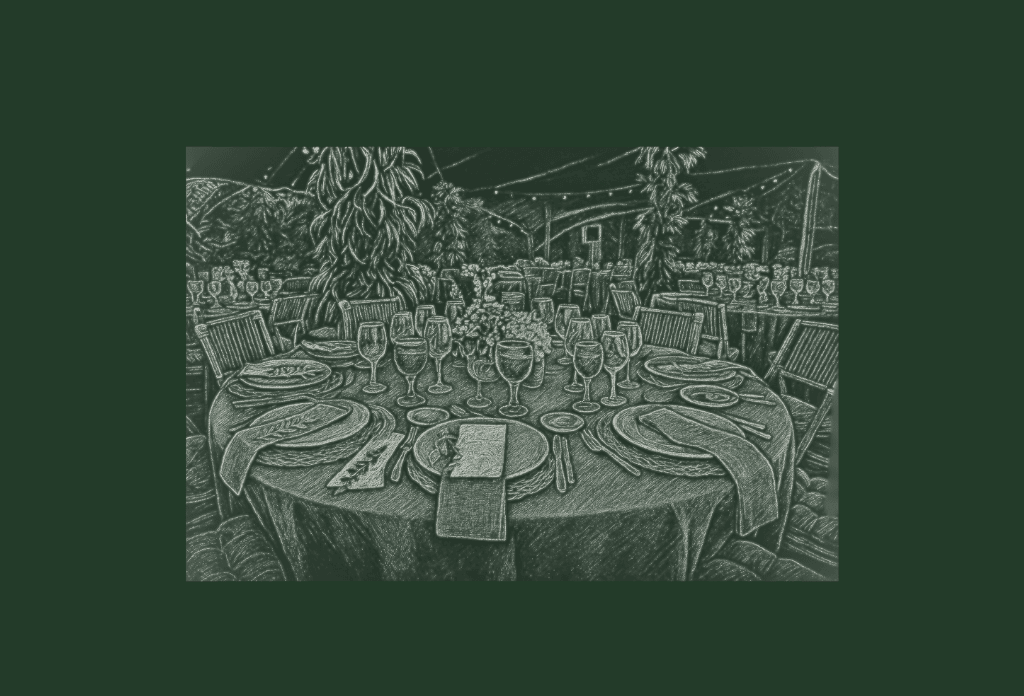
2016
Opening to private events
2017
National Award: Historic and Unique Garden
2022
Great Gardens of the World Award
2023
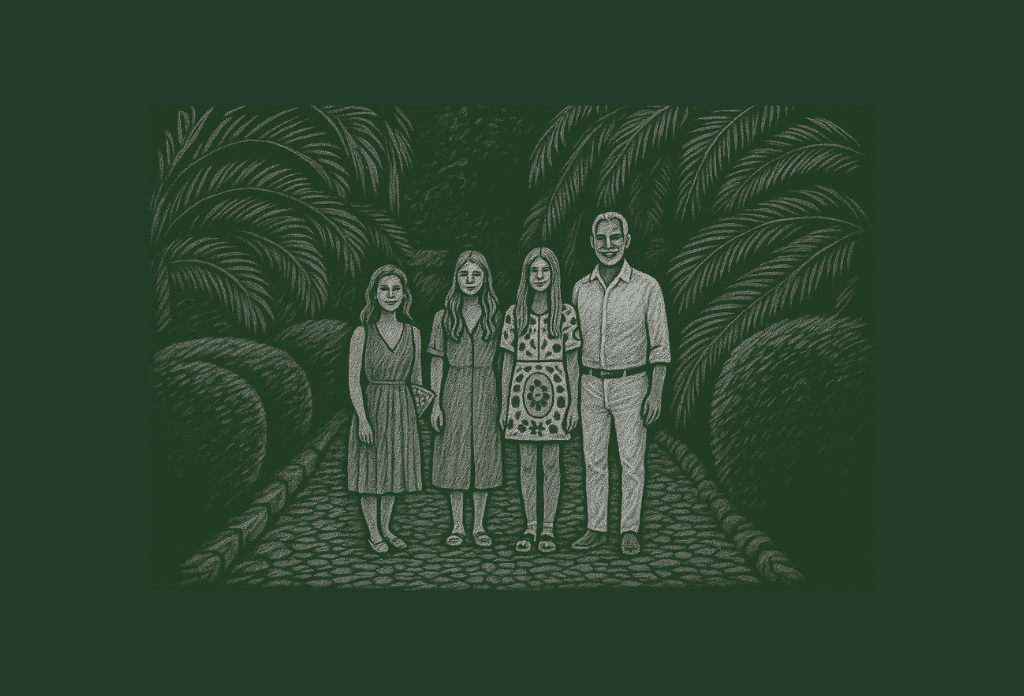
Visit of Their Majesties the King and Queen of Spain